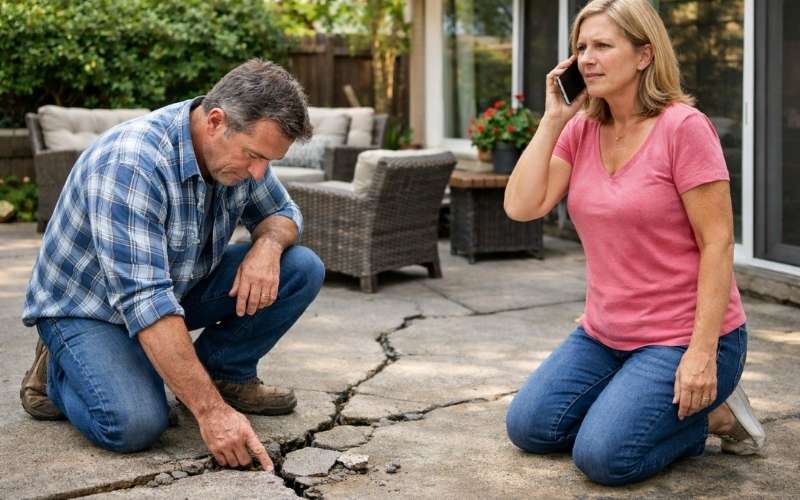
Concrete Repair Solutions Every Homeowner Should Know Before Damage Gets Worse can protect your home from problems that grow quietly over time. Many homeowners notice a small crack and assume it is only cosmetic. However, that first crack often signals moisture, soil movement, or wear that can spread faster than expected. When water reaches the base under the slab, the surface can shift, sink, or break. This guide explains what to watch for, what repair options work best, and how to act early.
Practical Concrete Repair Solutions Every Homeowner Should Understand
Concrete Repair Solutions Every Homeowner Should Know Before Damage Gets Worse start with understanding why minor damage becomes expensive when ignored. Concrete looks strong, yet it reacts to weather, traffic, and changes in the ground below. Because many people wait until damage is obvious, they often face larger repairs later. In this section, you will learn the most common warning signs, the most reliable repair methods, and the simplest ways to prevent future damage. With the right steps, you can keep surfaces safe, clean, and long-lasting.
Why Concrete Damage Gets Worse Over Time
Concrete damage usually spreads because the original cause remains active. Even a small crack can allow water to enter the slab and reach the base below. Then, the soil can soften, shift, and stop supporting the concrete evenly. As a result, slabs may settle and create uneven surfaces. In colder areas, freeze and thaw cycles push cracks wider over time. Meanwhile, daily weight from vehicles and foot traffic adds stress, so the crack grows and the surface weakens faster.
Common Signs Your Concrete Needs Repair
Concrete often gives clear warnings before a major failure, yet many homeowners overlook them. Cracks that lengthen, widen, or form patterns can signal movement below the slab. Uneven sections, small dips, or edges that crumble may create trip risks and drainage issues. Also, pooling water after rain can mean the surface no longer slopes correctly, which increases moisture problems. If you see gaps near steps or the foundation, that can indicate shifting. Noticing these signs early helps you choose the right repair.
Crack Repair Solutions for Early Damage
Early crack repairs are often simple, cost-effective, and highly valuable for prevention. When cracks stay shallow, the goal is to block water from entering and stop the crack from spreading. Many repairs use crack fillers for surface-level issues, while epoxy injections add strength for deeper cracks that need extra support. Polyurethane sealants also work well because they flex with small movements. By sealing the crack correctly, you reduce moisture entry, limit future expansion, and help your surface stay strong and clean longer.
Slab Leveling for Uneven Concrete
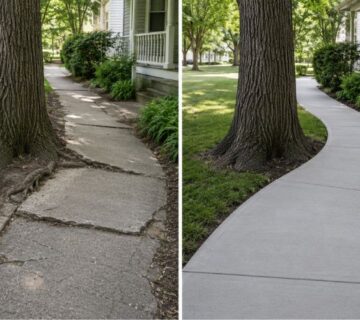
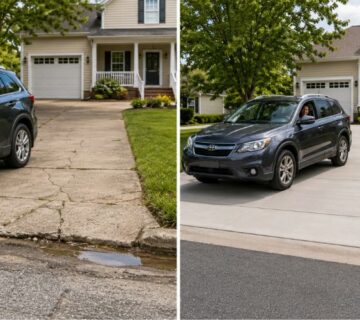
When concrete becomes uneven, slab leveling can restore safety and appearance without full replacement. This method lifts sunken slabs by adding material beneath the concrete to rebuild support. Foam lifting is popular because it is fast, clean, and strong, while grout methods can also work depending on the situation. Once the slab returns to the right height, the area becomes easier to walk on and drains better. Because leveling often costs less than replacement, it is a smart option for sidewalks, driveways, and patios.
Surface Resurfacing for Worn Concrete
If your concrete is still stable but looks rough, stained, or worn, resurfacing can provide a strong visual upgrade. Resurfacing adds a new layer over the existing surface to cover small cracks, patchy areas, and surface damage. It can improve traction, refresh the finish, and make the space look newer without major demolition. Many homeowners choose resurfacing for patios, walkways, and driveways because it improves curb appeal and durability at the same time. With proper preparation, the new surface can last for years.
Sealing Concrete to Prevent Future Damage
Sealing is one of the simplest ways to protect repairs and reduce future concrete damage. A quality sealer helps block moisture absorption, which lowers the risk of cracking, flaking, and surface wear. It also reduces staining from oil, dirt, and common household chemicals, especially on driveways and garage areas. Additionally, sealed concrete is easier to clean, which keeps it looking better over time. Many homes benefit from sealing every few years, because regular protection extends the life of the surface and supports long-term durability.
When Replacement Becomes Necessary
Sometimes concrete replacement is the safest choice, especially when damage is deep and widespread. Severe sinking, broken slabs, or large cracks that show structural problems can indicate that repair will not last. In these cases, removing the damaged section and pouring new concrete restores stability and reduces risk. Although replacement costs more than minor repairs, it can prevent repeated fixes and ongoing safety issues. A professional inspection can confirm whether repair or replacement makes more sense, which helps you invest wisely and protect your home.
Why Professional Concrete Repair Matters
Professional concrete repair can deliver stronger results because experts diagnose problems that are not always visible. A crack may look small on top, yet the base below could be unstable or washed out. Professionals use the right materials, tools, and techniques for each situation, which improves durability and finish quality. They also help you choose repairs that match your goals, budget, and timeline. In many cases, professional work includes warranties or guarantees, so you gain confidence that the repair will hold up over time.
Preventing Concrete Damage Before It Starts
Prevention keeps concrete in better shape and reduces the need for major repairs later. Good drainage matters because standing water weakens the soil under slabs and increases moisture problems. Therefore, directing water away from concrete surfaces helps protect their base support. Avoid placing heavy loads on weak areas, and repair small cracks as soon as they appear. Also, sealing concrete on a schedule adds a protective layer against moisture and stains. When you combine these habits, concrete stays safer, cleaner, and more durable for the long run.
Protect Your Home With Timely Concrete Repairs
Concrete Repair Solutions Every Homeowner Should Know Before Damage Gets Worse are most effective when you act early and choose the right method. Small cracks, uneven slabs, and worn surfaces can seem minor at first, yet they often grow into expensive issues. If you want to protect your home value and reduce safety risks, a professional inspection can give you clear answers. Contact us today to review your concrete and recommend the best next step. Quick action now can prevent bigger repairs later.

No comment