Concrete projects are crucial for infrastructure, but proper curing ensures their durability and performance. Understanding the role of curing compounds in concrete projects helps you maintain quality and strength. Are you struggling with cracks or weak surfaces in your concrete work? This blog explains how curing compounds solve these challenges and improve outcomes.
The Importance of Curing Compounds for Durable Concrete Projects
Concrete curing is a critical step that directly impacts the durability and longevity of any construction project. Proper curing ensures concrete maintains its strength and prevents cracks or shrinkage. By using curing compounds, builders can protect surfaces from moisture loss, which is essential for maintaining structural integrity.
What Are Curing Compounds?
Curing compounds are chemical substances applied to freshly poured concrete. They form a protective layer that reduces evaporation. These compounds ensure that concrete retains adequate moisture for hydration, leading to stronger and more durable results.
Why Are Curing Compounds Essential?
- Prevent Cracking: Without proper curing, concrete is prone to shrinkage cracks due to rapid moisture loss.
- Improve Durability: Curing compounds help concrete withstand environmental stress, including extreme weather conditions.
- Enhance Strength: They allow the cement to fully hydrate, maximizing compressive strength.
Types of Curing Compounds
There are several types of curing compounds to suit different project requirements:
- Water-Based Compounds: Environmentally friendly and suitable for most projects.
- Resin-Based Compounds: Ideal for industrial applications where additional strength is required.
- Acrylic-Based Compounds: Commonly used for decorative concrete to enhance appearance and durability.
How to Apply Curing Compounds
- Timing Is Key: Apply curing compounds immediately after the concrete is finished.
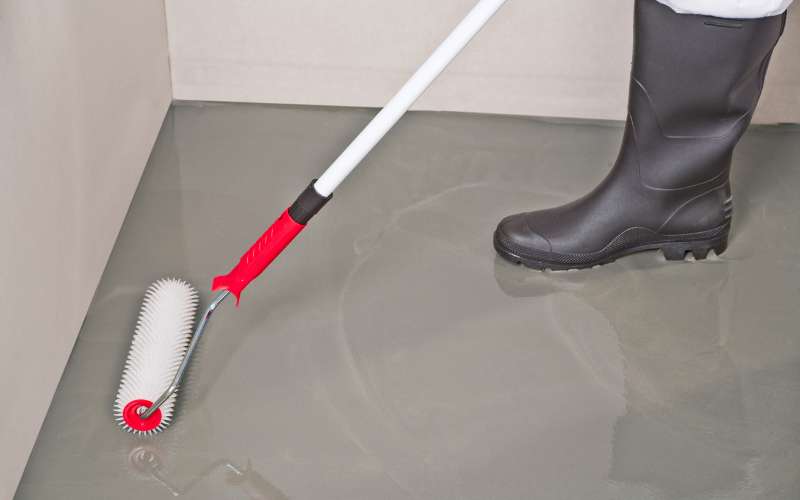
- Use the Right Tools: Use a sprayer or roller for even application.
- Follow Manufacturer Guidelines: Each compound has specific instructions for optimal results.
Benefits of Using Curing Compounds
- Cost-Effective Solution: Preventing damage early reduces long-term maintenance costs.
- Time-Saving: Simplifies the curing process compared to traditional methods.
- Eco-Friendly Options: Many curing compounds are designed with sustainable materials.
Common Challenges with Curing
Even with curing compounds, challenges like incorrect application or poor timing can arise. Builders must ensure even coverage and follow best practices to avoid issues like patchy curing or compromised strength.
Tips for Selecting the Right Curing Compound
- Assess Project Needs: Consider weather conditions, concrete type, and project scope.
- Check Compatibility: Ensure the compound works with your concrete mix.
- Consult Experts: Seek advice from suppliers or contractors for the best recommendations.
Protect Your Concrete Projects with the Right Curing Compounds
Proper curing is essential to ensure the strength, durability, and longevity of your concrete projects. By understanding the role of curing compounds in concrete projects, you can avoid common pitfalls and achieve exceptional results. Contact us today to learn more about curing solutions tailored to your specific needs. Let’s build stronger, longer-lasting concrete together!




No comment