When homeowners start planning a patio, they often focus only on the final quote. However, Concrete Patio Cost Breakdown: What Homeowners Really Pay For includes much more than “just concrete.” Many people expect one simple price, yet they later find extra costs for site prep, labor, and finishing choices. Have you ever wondered why two patios of similar size can cost so differently? This guide explains the real cost drivers so you can plan smarter, compare estimates, and avoid budget surprises while still getting a durable, attractive patio.
A Clear Guide to the Concrete Patio Cost Breakdown: What Homeowners Really Pay For
A clear Concrete Patio Cost Breakdown: What Homeowners Really Pay For starts with the idea that every patio has multiple cost layers. While size matters, the ground condition, reinforcement needs, finish level, and local labor rates often change the total. Therefore, it helps to review each cost category instead of looking at one big number. When you understand what you are paying for, you can ask better questions, spot missing line items, and choose upgrades that make sense for your home and budget.
Base Material and Concrete Pricing
Concrete pricing often begins with the mix itself, but several details affect the final material cost. For example, a standard patio usually uses a four-inch slab, yet some projects require thicker pours for extra strength. Additionally, the concrete mix design, additives, and delivery distance can raise or lower the price. Because suppliers also respond to seasonal demand, the same patio may cost more during busy months. As a result, material pricing can vary even when the patio size stays the same.
Site Preparation and Ground Work
Site preparation is one of the most important parts of a lasting patio, and it can heavily affect the budget. Contractors may need to remove old concrete, excavate soil, and build a stable base with compacted gravel. Moreover, grading for drainage protects the slab from pooling water and future damage. Although homeowners do not always “see” this work after the pour, it prevents cracks and uneven settling. Therefore, proper preparation is not an optional step, but a key investment.
Labor and Installation Costs
Labor often makes up a large share of the total because installation requires skill and timing. Crews build forms, set reinforcement, place concrete, and finish the surface before it cures. However, the weather can affect scheduling and working time, especially during rain or extreme heat. Because quality finishing takes practice, experienced installers reduce the risk of surface flaws and weak edges. As a result, labor costs usually reflect the expertise needed to deliver a clean, durable patio.
Reinforcement and Structural Support
Reinforcement is a major factor in the Concrete Patio Cost Breakdown: What Homeowners Really Pay For because it increases strength over time. Many patios use steel rebar, wire mesh, or fiber additives to reduce cracking and improve stability. Although reinforcement adds to upfront cost, it often reduces repair needs later. Therefore, it is usually worth including, especially in areas with shifting soil, heavy furniture, or frequent temperature changes. A reinforced slab is more likely to stay level and reliable for years.
Design, Stamping, and Decorative Finishes
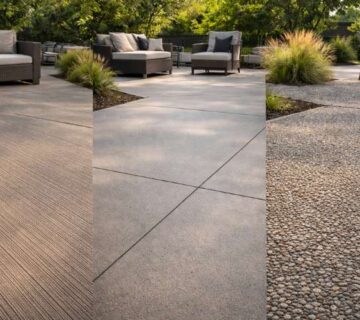
Finishes can change both the look and the final price of a patio. Basic gray concrete is usually the most affordable option, yet many homeowners want stamped patterns, color, or exposed aggregate. Because these upgrades require extra tools and skilled labor, they raise costs. Still, decorative finishes often improve curb appeal and create a more “outdoor room” feel. Therefore, it helps to decide what matters most, such as style, slip resistance, or easy cleaning, before choosing upgrades.
Permits and Local Regulations
Permits can affect cost and timing, depending on your city or county rules. Some areas require permits for patios of certain sizes, and some projects may also need inspections. Additionally, special property conditions can trigger extra requirements, such as setbacks or drainage controls. Although permits add expense, they protect you from legal issues and problems during resale. Therefore, permit planning should be part of your budget and your schedule from the start.
Size and Layout Complexity
Patio size affects both materials and labor, but layout complexity can also increase costs quickly. Simple rectangular patios are usually faster to form and pour, which helps control labor time. However, curved edges, steps, or multi-level designs require extra planning and careful forming. Because complex layouts take longer to build, they often increase the total estimate. Therefore, if you want to reduce cost, consider a simpler shape while keeping enough space for seating and traffic flow.
Sealing and Long-Term Maintenance
Sealing and maintenance are often forgotten during budgeting, yet they matter for long-term value. A quality sealer helps protect against stains, moisture, and surface wear, especially in areas with rain or harsh sun. While sealing adds an upfront cost, it can prevent bigger issues later. Additionally, routine cleaning and periodic resealing help your patio keep its color and finish. Therefore, maintenance planning should be part of your long-term patio budget, not an afterthought.
Regional Cost Differences
Regional pricing can change your budget even for similar patio designs. Labor rates vary by market, and material delivery fees depend on distance from suppliers. For example, urban areas may have higher labor costs, while rural locations may have higher transportation charges. Because of these differences, national averages can be misleading. Therefore, the best approach is to compare multiple local quotes and confirm what each one includes, especially for prep work and finishing details.
Ready to Plan Your Concrete Patio Project?
Now that you understand the Concrete Patio Cost Breakdown: What Homeowners Really Pay For, you can plan with more confidence and fewer surprises. When you review materials, preparation, labor, and finishes, you can compare quotes fairly and protect your investment. A well-built patio adds comfort, function, and value to your home. Therefore, working with experienced professionals helps you avoid costly mistakes and delays. Contact us today for a detailed estimate and turn your outdoor space into something you will enjoy for years.



No comment