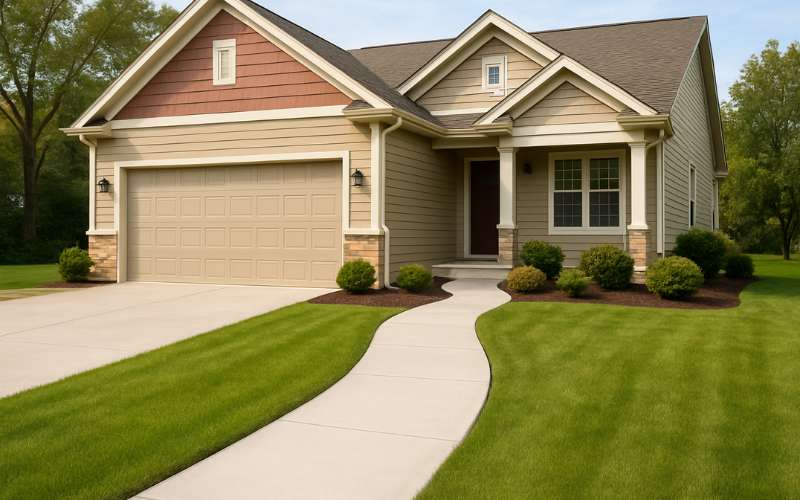
Every homeowner wants a walkway that looks beautiful, feels safe, and boosts property value. Crack-resistant, long-lasting sidewalks achieve all three when you plan the work with care. This guide translates technical steps into clear choices you can make. With the right materials, sequence, and maintenance, your sidewalk will elevate curb appeal and endure for years.
How to Create Strong, Durable Sidewalks That Stand the Test of Time
Building a durable, crack-resistant sidewalk doesn’t just protect your investment—it enhances your home’s appearance and everyday comfort. Homeowners often underestimate the importance of planning, materials, and proper technique when constructing a walkway. This section will guide you through every essential step to ensure your sidewalk remains strong, stable, and beautiful for years. From understanding what causes cracks to mastering curing and sealing, here’s how to create a structure that truly stands the test of time.
Understanding What Causes Cracks in Sidewalks
Sidewalk cracks rarely appear overnight; they grow from hidden issues in the base, mix, or drainage. Loose soil settles unevenly and transfers stress into the slab. Excess water in the mix weakens the paste and invites shrinkage. Seasonal temperature swings open microscopic gaps that widen with freeze–thaw cycles. Poor drainage traps moisture beneath the surface and accelerates damage. When you address soil compaction, water control, and thermal movement from the start, you build truly crack-resistant, long-lasting sidewalks that remain stable through changing seasons.
Choosing the Right Materials for Durability
Durability begins with a proper exterior mix, selected for your climate and expected use. Keep the water-to-cement ratio low for strength and shrinkage control, and specify reinforcement such as welded wire mesh or rebar to resist movement. Well-graded aggregates improve interlock and reduce voids that invite failure. Air entrainment helps concrete survive freeze–thaw cycles without scaling. Finally, match your sealer to local conditions. With these choices aligned, your crack-resistant, long-lasting sidewalks gain the structural backbone they need to perform.
Preparing a Strong Foundation
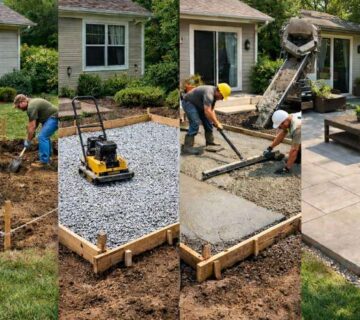
A sidewalk is only as good as the base beneath it. Remove sod, roots, and organic material, then compact the subgrade evenly to prevent settlement. Add a layer of crushed gravel to improve drainage and support, and screed it to a uniform depth. Good drainage moves water away instead of letting it linger under the slab. That single improvement reduces heaving and curling as seasons change. When the foundation is firm, flat, and dry, your slab is far less likely to crack or tilt over time.
Pouring and Finishing the Concrete Correctly
Placement and finishing determine whether good materials reach their potential. Place concrete promptly, avoid adding water on site, and consolidate it to remove air pockets. Strike off to level, then bull float to embed aggregate and bring paste to the surface. Edge for clean lines and a comfortable transition at borders. Cut control joints at the specified spacing and depth to guide movement where it cannot harm appearance. These small steps create cleaner finishes and help your sidewalk resist random cracking for years.
Curing Makes All the Difference
Curing turns fresh concrete into a dense, durable surface by managing moisture and temperature during early hydration. Without curing, water escapes too quickly and leaves the paste brittle. Use curing compound or plastic sheeting and maintain moisture for at least seven days, longer in hot or windy weather. Proper curing reduces plastic shrinkage cracks, improves abrasion resistance, and boosts long-term strength. It is the simplest way to ensure your crack-resistant, long-lasting sidewalks develop the toughness they need to handle daily use.
Adding a Protective Sealant
After curing, a quality sealer acts as armor against water, stains, salts, and UV exposure. Clean the surface thoroughly and allow it to dry before application so the product bonds well. Choose breathable formulas for exterior slabs to avoid trapping moisture. Reapply on a schedule suited to climate and traffic. Consistent sealing maintains color and texture while limiting freeze–thaw damage. With this protective layer in place, your sidewalk stays attractive and strong, even under heavy use and demanding weather.
Common Mistakes to Avoid
Several avoidable errors shorten the life of otherwise good work. Pouring during extreme heat or wind speeds drying and encourages plastic cracking. Skipping control joints leaves the slab no safe path to move, so fractures appear randomly. Ignoring hairline cracks allows water to penetrate and expand the damage. Overusing harsh de-icers roughens the surface paste and accelerates scaling. By planning around weather, placing joints correctly, sealing early cracks, and using gentler winter products, you preserve performance and appearance for the long term.
Long-Term Maintenance Tips
Routine care protects the investment you made in materials and labor. Wash the surface a few times each year to remove dirt and salts that degrade concrete. Inspect seasonally and seal narrow cracks before moisture and ice can widen them. Refresh the sealer on schedule to maintain water resistance. Avoid heavy vehicles at slab edges and keep landscaping roots from lifting panels. With a small maintenance routine, your crack-resistant, long-lasting sidewalks keep their smooth, safe profile and continue adding value to your home.
Why Professional Installation Matters
Sidewalks demand precise timing and attention to details that are easy to overlook. Professionals test subgrade conditions, specify mix designs, and control placement, finishing, joints, and curing. Their crews work efficiently so each step happens at the correct moment. That expertise prevents settlement, scaling, and premature cracking that lead to repeat repairs. Hiring an experienced contractor protects your budget and your curb appeal. The result is a consistent finish and reliable structure that performs through weather, seasons, and everyday foot traffic.
Sustainable Options for Sidewalk Construction
Strength and sustainability can complement each other when you select materials thoughtfully. Supplementary cementitious materials reduce cement content while improving durability. Recycled aggregates give waste resources a second life without sacrificing performance. Permeable concrete lowers runoff and helps surrounding landscapes thrive. Low-VOC sealers protect air quality around your home. By combining these choices with solid construction practices, you create crack-resistant, long-lasting sidewalks that support both your property and the environment for many years.
Build Sidewalks That Last — Start Your Project Today
Your home deserves a walkway that looks great and lasts. When you follow smart steps—solid base, proper mix, careful placement, attentive curing, and timely sealing—you get dependable results. If you want guidance or a turnkey build, our team is ready to help. Let’s design and install crack-resistant, long-lasting sidewalks that elevate curb appeal and deliver value season after season.


No comment